Skip to content
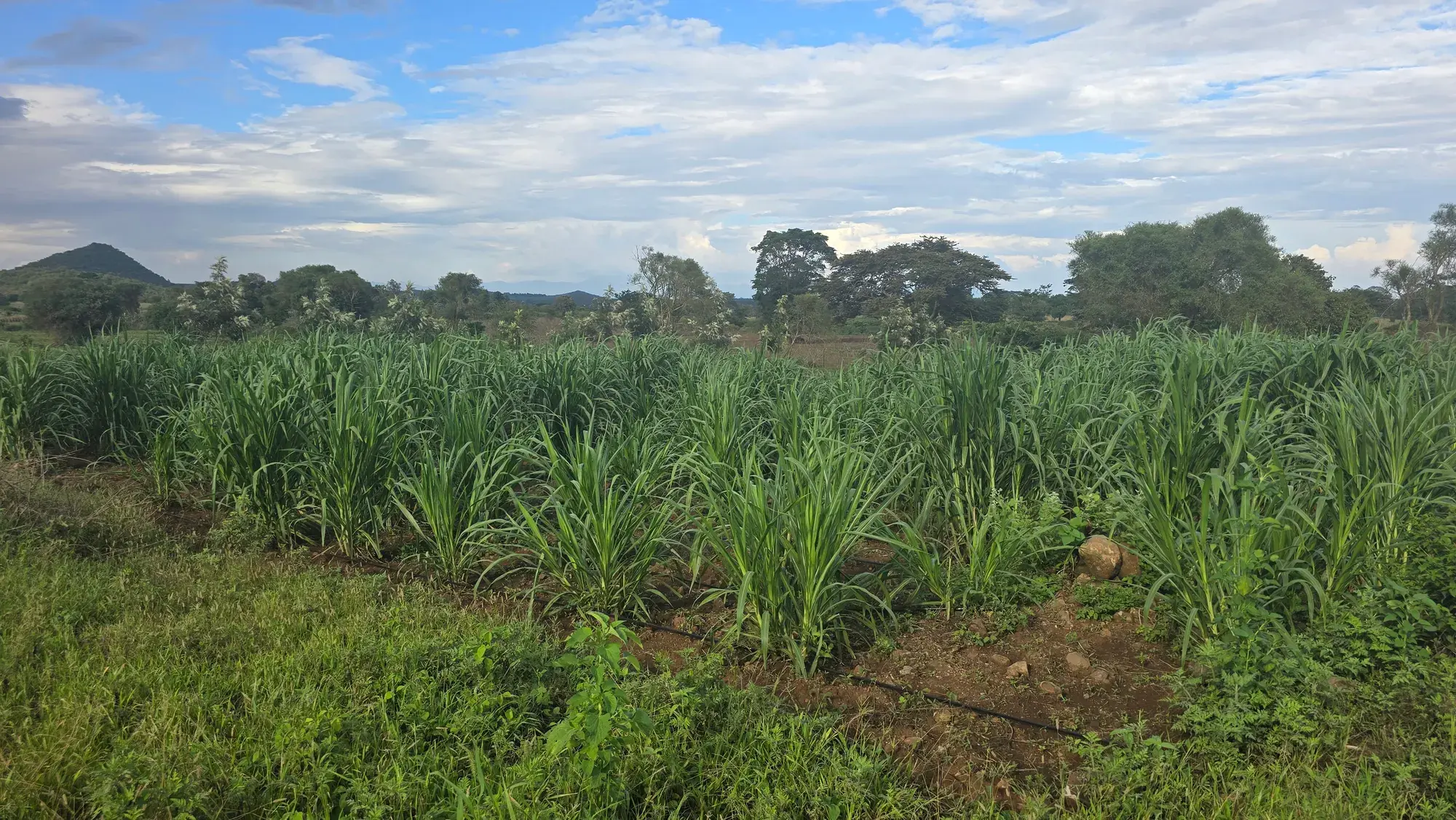
The Moran Farms plantation stretching towards the hills at Illasit

The Farm · Illasit, Oloitokitok

The future is built, not given

Not a demonstration plot and not a donor project. A commercial farm that carries its own risk, pays its own people, and teaches young people the trade by handing them the work.
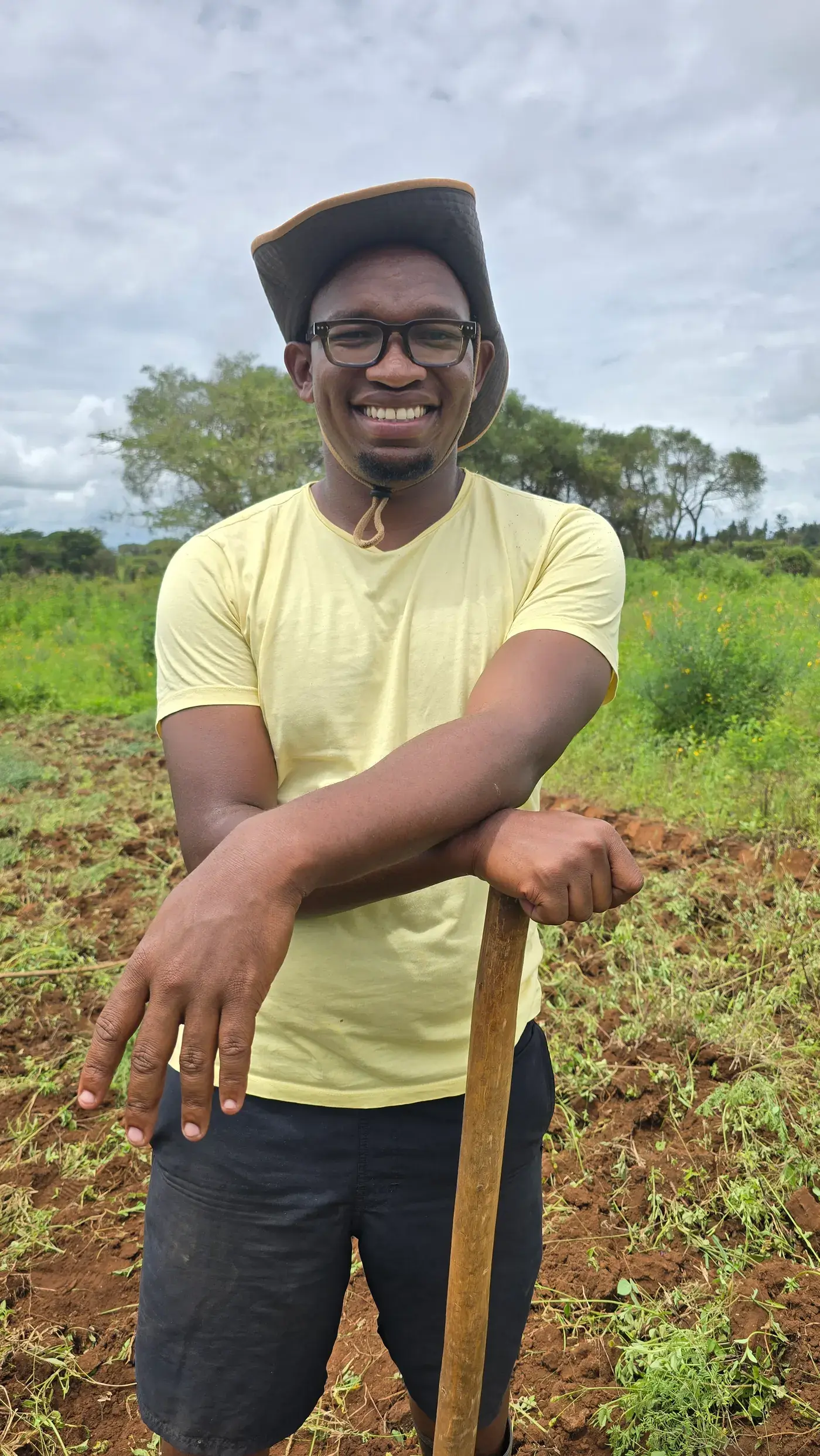
Siloma Stephen, founder of Moran Farms, leaning on a hoe in a newly prepared field

Our story

It started with a resignation letter

Siloma Stephen had a good government job. Secure, pensionable, the kind of post people in the village point to when they tell their children what success looks like. He resigned.

What pulled him back was the young people around Oloitokitok who had done everything they were told to do, gone to the city, and come home with nothing to show for it. He had seen where that road ends.

He could have started an organisation that talks about youth empowerment. He started a farm instead, and then he got his own hands dirty. He opened the furrows. He laid the drip lines. He cut the fodder.

You cannot ask a young person to pick up a panga and believe there is a future in it while you stand at the edge of the field in clean shoes.

“The future is built, not given.”

Borrowed from Digital Moran CBO, where it means the same thing with a laptop instead of a jembe.

How we pay

A fair wage, paid on time

Farm labour in this country has a reputation and it is not a good one. Wages agreed loosely and paid late. Women paid less for the same day. Young people told they should be grateful for the experience.

We agree the rate before the work starts, we pay it in full, and we pay it when we said we would.

People who are paid properly stay, and people who stay get good at the job. That is the whole argument.

  • The rate is agreed before anyone picks up a tool
  • Women are paid the same for the same work
  • Skills are taught on the clock, not extracted for free

The farm hand who became the camera

One of our farm hands came here to work the land. He learned the crops, then picked up a phone and started filming what he was doing.

Every video on the Moran Farms social platforms is shot by him. Not by an agency and not by a visiting consultant, but by a young man from here who now has a second trade on top of the first.

That is what empowerment looks like when it is real. Not a certificate, but a skill somebody can charge for.

Farm visits and training

Opening to young farmers soon

We are building the part of Moran Farms that exists purely to teach. A programme where young people work a full crop cycle with us, from land preparation through to selling what comes off it.

Our production farm is at Illasit, and a second farm is going up at Kimana that will carry the training. We are putting up the facilities now and working out how many people we can take properly rather than how many we can fit.

Visits and training open once that is ready. We would rather start late than start badly.

  • A full crop cycle

    Not a one day workshop. Land preparation through to harvest and sale, on a farm that has to make the numbers work.

  • Your own plot

    Trainees take a section of the farm and answer for what comes off it, with our inputs behind them.

  • No fee to attend

    Funded by what the farm sells and by partners, so money is never the reason a young person stays home.