
Skip to content
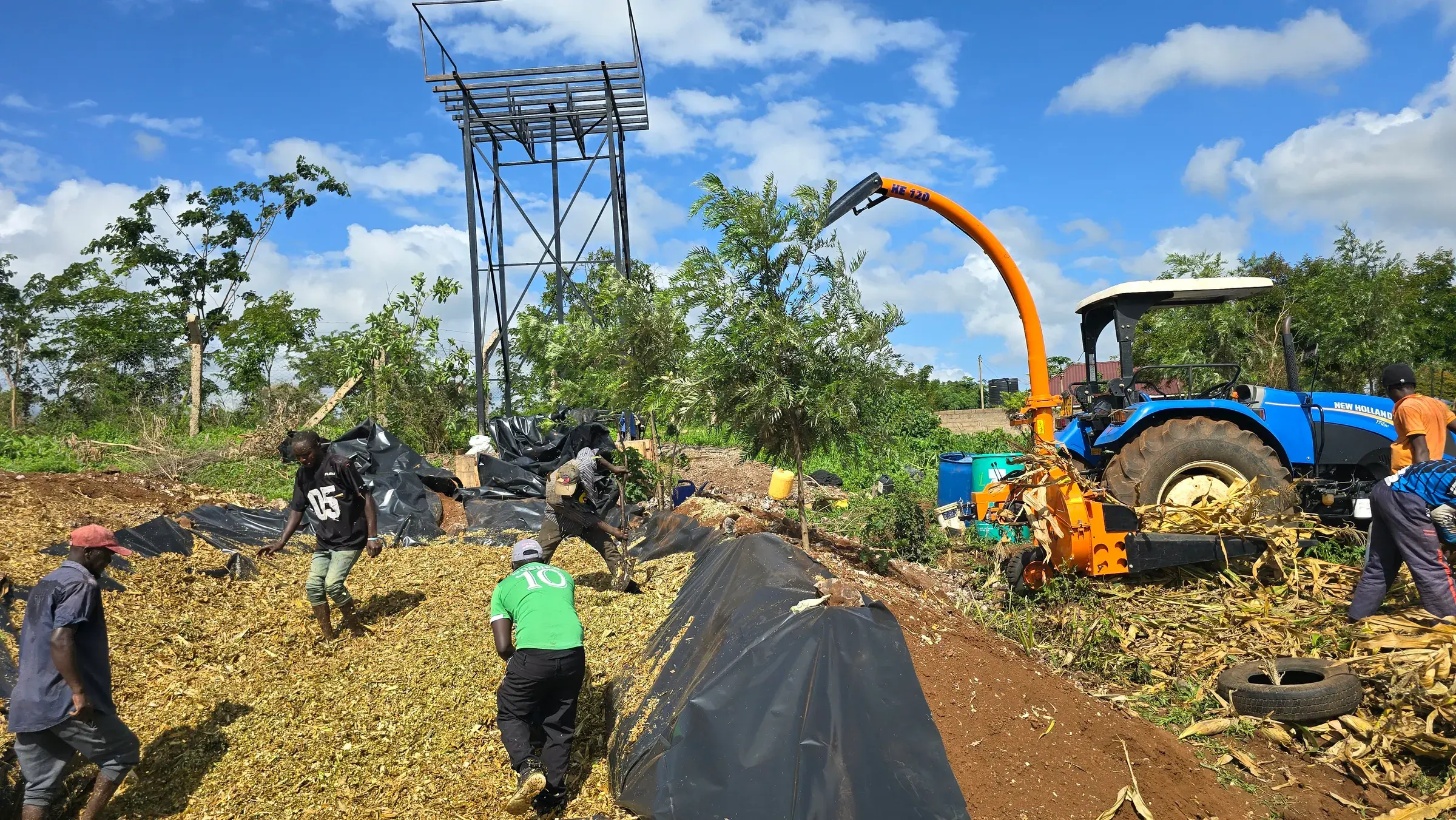
A tractor drawn forage harvester blowing chopped maize onto the silage pit at Moran Farms

Silage

Feed that holds up when the grass is gone

We put up silage in the pit every season, and we will help you put up yours. Done properly it keeps its energy right through the dry months. Done badly you get an expensive pit of mould.
What we do

We help you put up your own silage

We do not sell silage in bags and we are not a contractor who turns up with a chopper and leaves. What we bring is the part most people get wrong.

Anyone can hire a chopper. What decides whether the pit is worth anything four months later is when you cut, how short you chop, how hard you compact and how fast you seal.

We work through that with you on your own farm, in your own pit, on your own crop.

  • We tell you when to cut, and it is usually earlier than you think
  • Chop length set for the animals you are actually feeding
  • Compaction supervised, because this is where most pits are lost
  • Sealed properly, and the arithmetic on how much you need
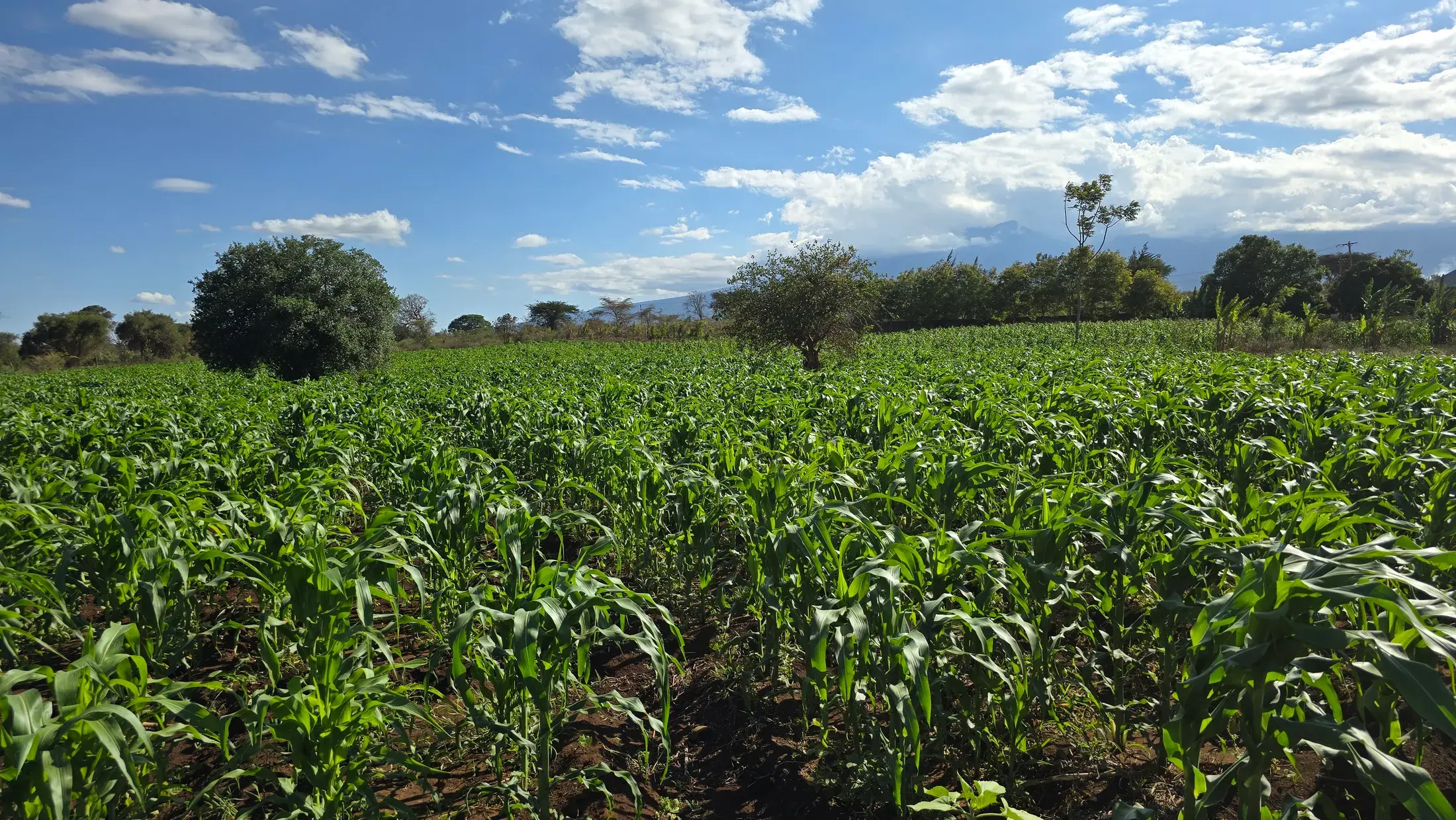
A standing maize crop of the kind that goes into the silage pit

Getting it right

Six things that decide whether the pit is worth anything

None of this is complicated. Every one of these steps is easy to skip on the day, and the cost of skipping them only shows up four months later.

  1. Cut at the right milk line

    Half to two thirds down the kernel. Earlier and the pit is too wet and sours. Later and the starch is there but the crop will not compact.

  2. Chop short enough

    Long material traps air, and air is what turns silage into mould. Set the chop for the stock you are feeding and do not let the operator rush it.

  3. Compact harder than feels necessary

    This is where most pits in Kenya are lost. If you can push your hand into the surface there is air in there and you are already losing feed.

  4. Seal the same day

    Sheet it, weight it down along every edge, and check it after the first week. A pit left open overnight has already started spoiling at the top.

  5. Then leave it alone

    Six weeks minimum before you open it. Opening early to see how it is doing is the most expensive curiosity in dairy farming.

  6. Open it at one face

    Work across a single face and take enough off each day to stay ahead of spoilage. A pit opened in three places rots faster than you can feed it.

How much do I need?

Work it out before the chopper arrives

The commonest mistake after a badly sealed pit is a pit that is simply too small. Running out in month three, at the point feed prices peak, costs far more than the extra acre would have.

A dairy cow in milk will take somewhere around 20 to 30 kg of silage a day as part of her ration, depending on her size, her yield and what else she is getting.

Ten cows, 25 kg a day, 120 dry days is 30 tonnes. That is the arithmetic that decides how many acres go into the pit, and it is worth doing on paper before anybody starts cutting.

Maize silage, typical values

Crude protein
7 to 9% of dry matter
Dry matter at ensiling
30 to 35%
Cut at
Half to two thirds milk line
Minimum time sealed
Six weeks

Silage carries the energy, not the protein. Pair it with a legume or with a higher protein fodder such as Juncao and you get a ration that holds milk through the dry season.

Talk to us

Cutting soon? Call before you cut, not after.

Once the crop is down, most of the decisions that matter have already been made. One phone call a week beforehand is usually the difference between feed and a loss.