Skip to content
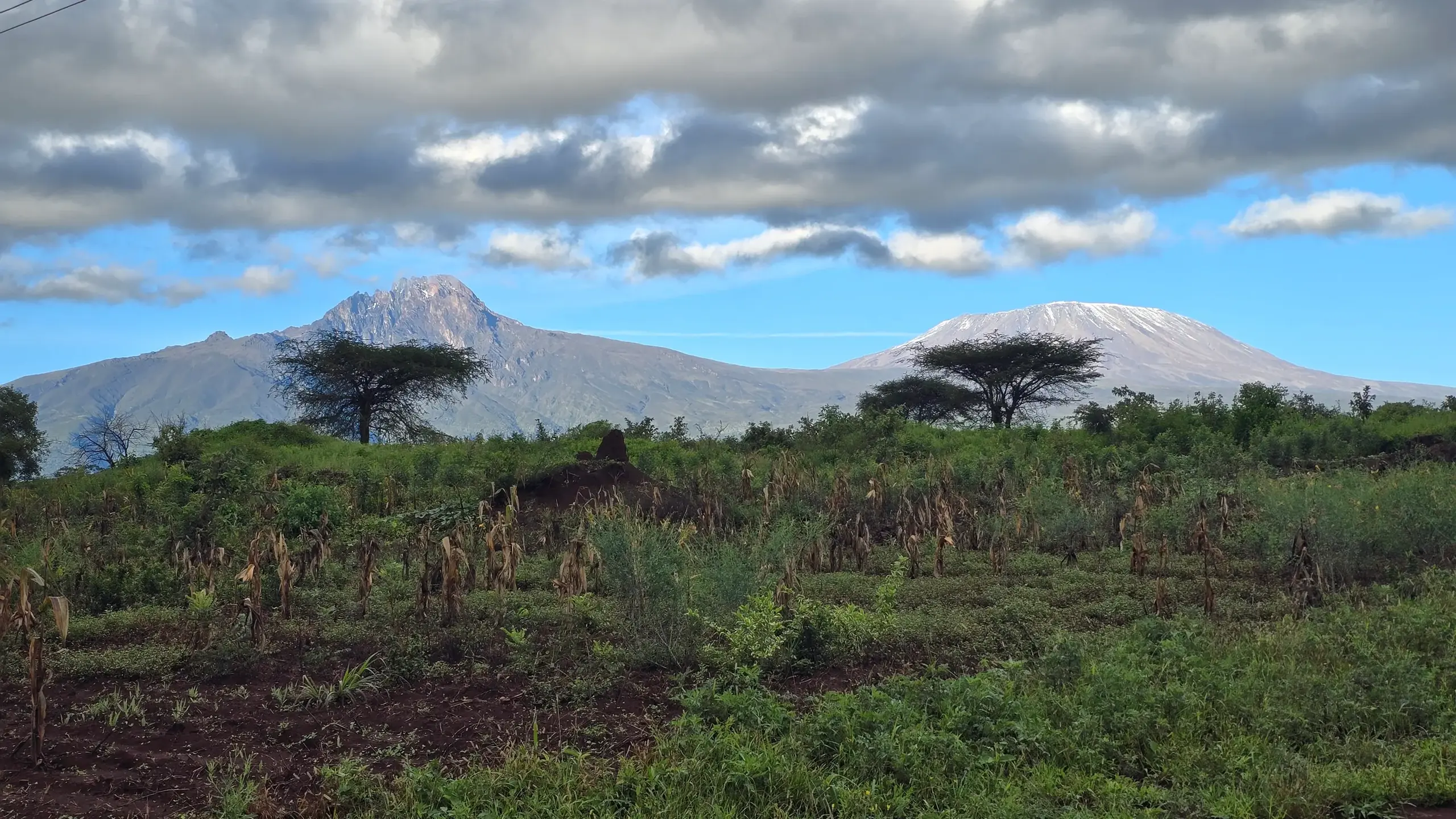
Mount Kilimanjaro rising behind acacia trees and farmland at Illasit

Illasit, Oloitokitok · Kajiado South

Empowering youth at the foot of Mount Kilimanjaro

A working farm, not a classroom. Young people here learn agriculture by preparing the land, planting the crop, cutting the fodder and selling the harvest.

The problem

A certificate is not a harvest.

Around Oloitokitok, young people finish school holding certificates in agriculture and still cannot tell you how deep to plant a cutting or what a tonne of feed is worth. The training stopped at the blackboard.

Across Kajiado South there are graduates who went to the city chasing a job that never came, and came home with nothing. Too many are losing their days to drink and to drugs. Not for want of ambition.

They are sitting on the one asset most people spend a lifetime trying to buy. They have land. Nobody has shown them, on real soil, how to turn it into an income.

That is the gap we exist to close. We put the panga, the drip line and the invoice book into young hands.

Why Siloma Stephen started Moran Farms

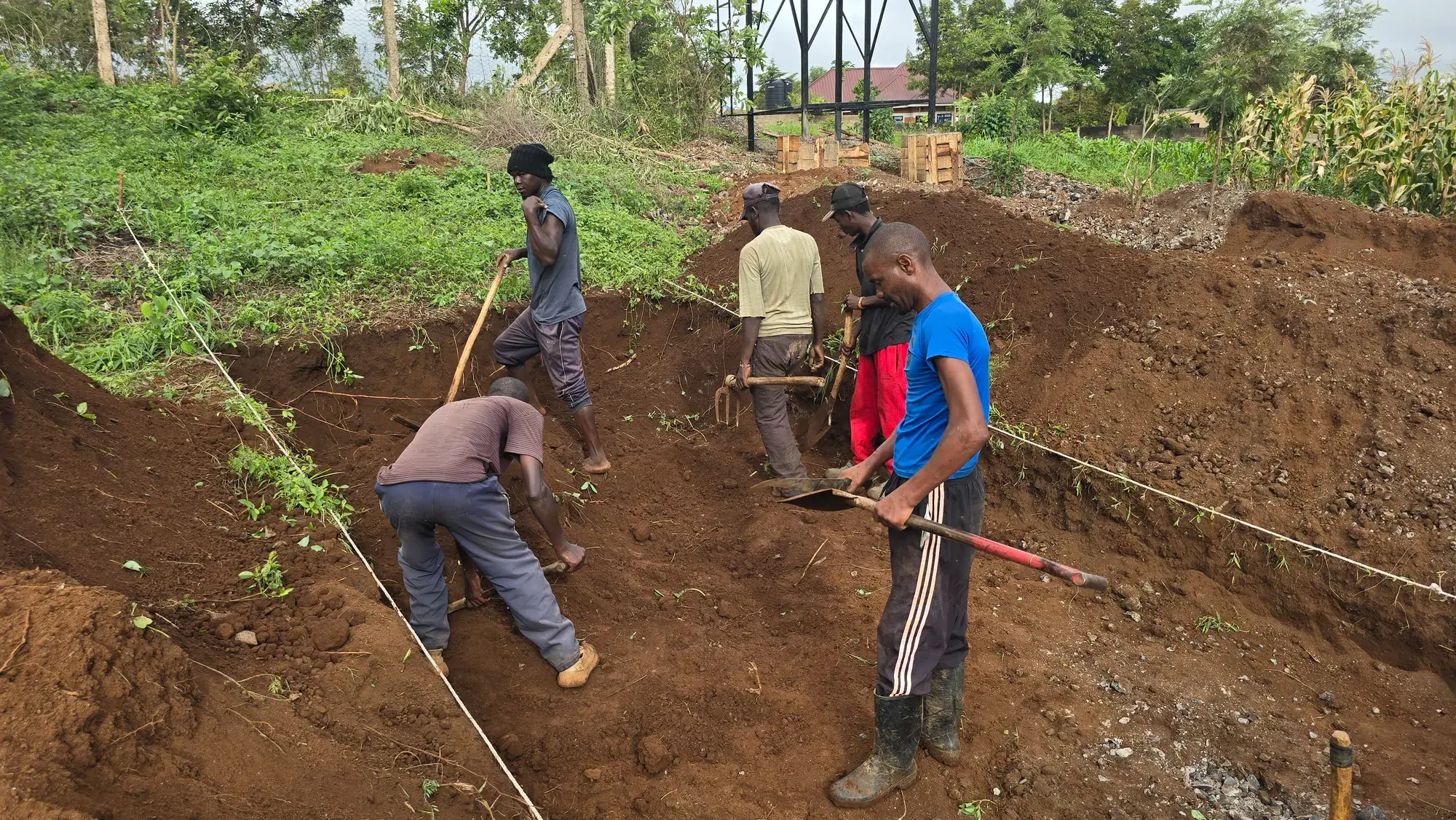
A team of young people digging and levelling ground with jembes at Moran Farms

The farm

What grows at the foot of the mountain

Six crops, planted to work together. The food crops feed the team and the market, the legumes feed the soil, and the fodder grasses carry the farm commercially.

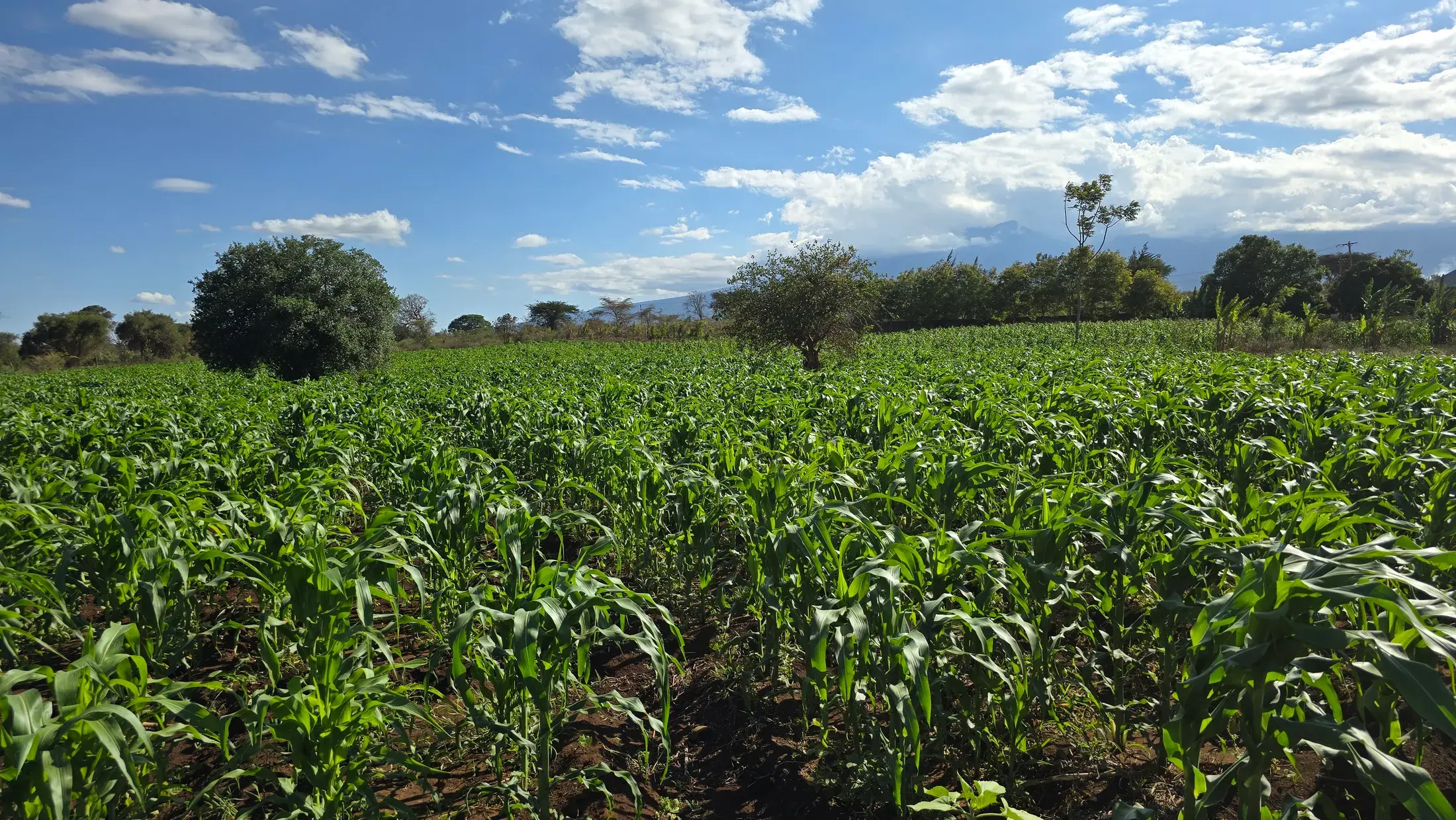
A green maize field under a bright blue sky with acacia trees along the boundary

Maize

Grown for the store and for the silage pit, cut at the right milk line so the feed holds through the dry months.
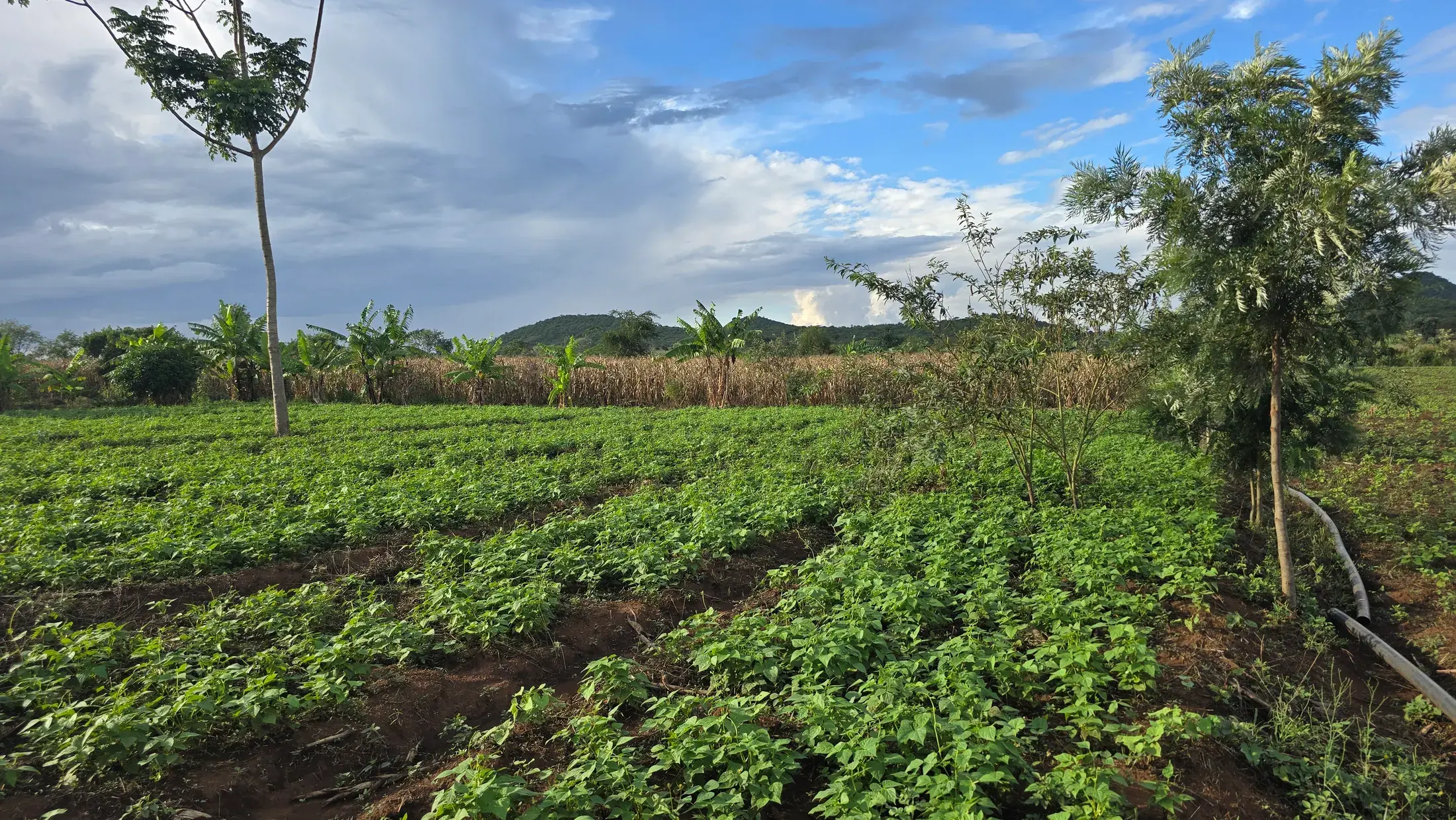
A field of beans growing on red soil with hills in the distance

Beans

Beans feed the household and feed the soil. They fix their own nitrogen, so the block carries a stronger crop next season.

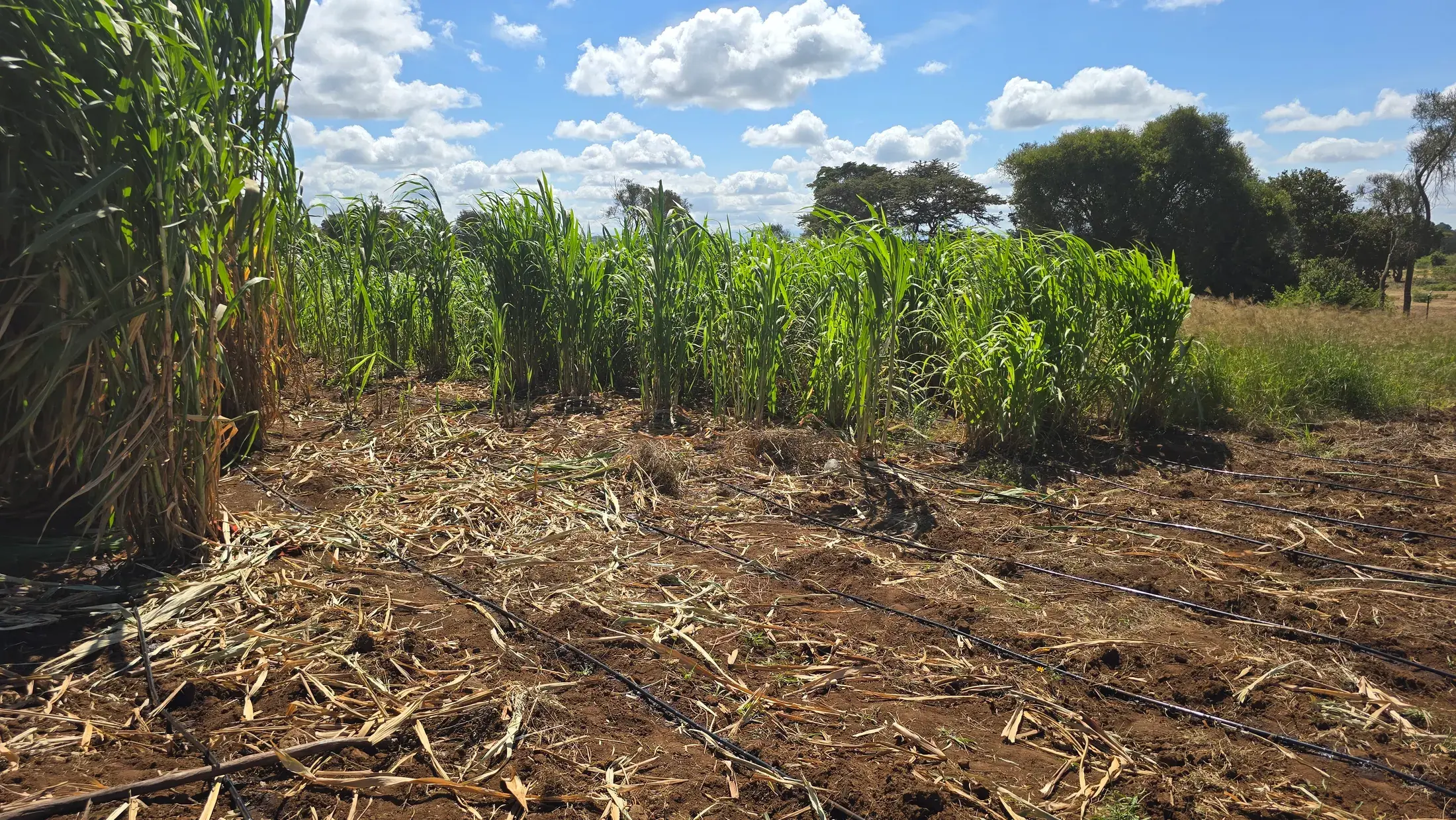
A block of Juncao fodder grass, part cut and already regrowing from the stools

Juncao fodder grass

Our flagship. Up to twenty feet tall, regrows after every cut, and free of the disease that wrecked napier across Kenya.

Buy planting nodes
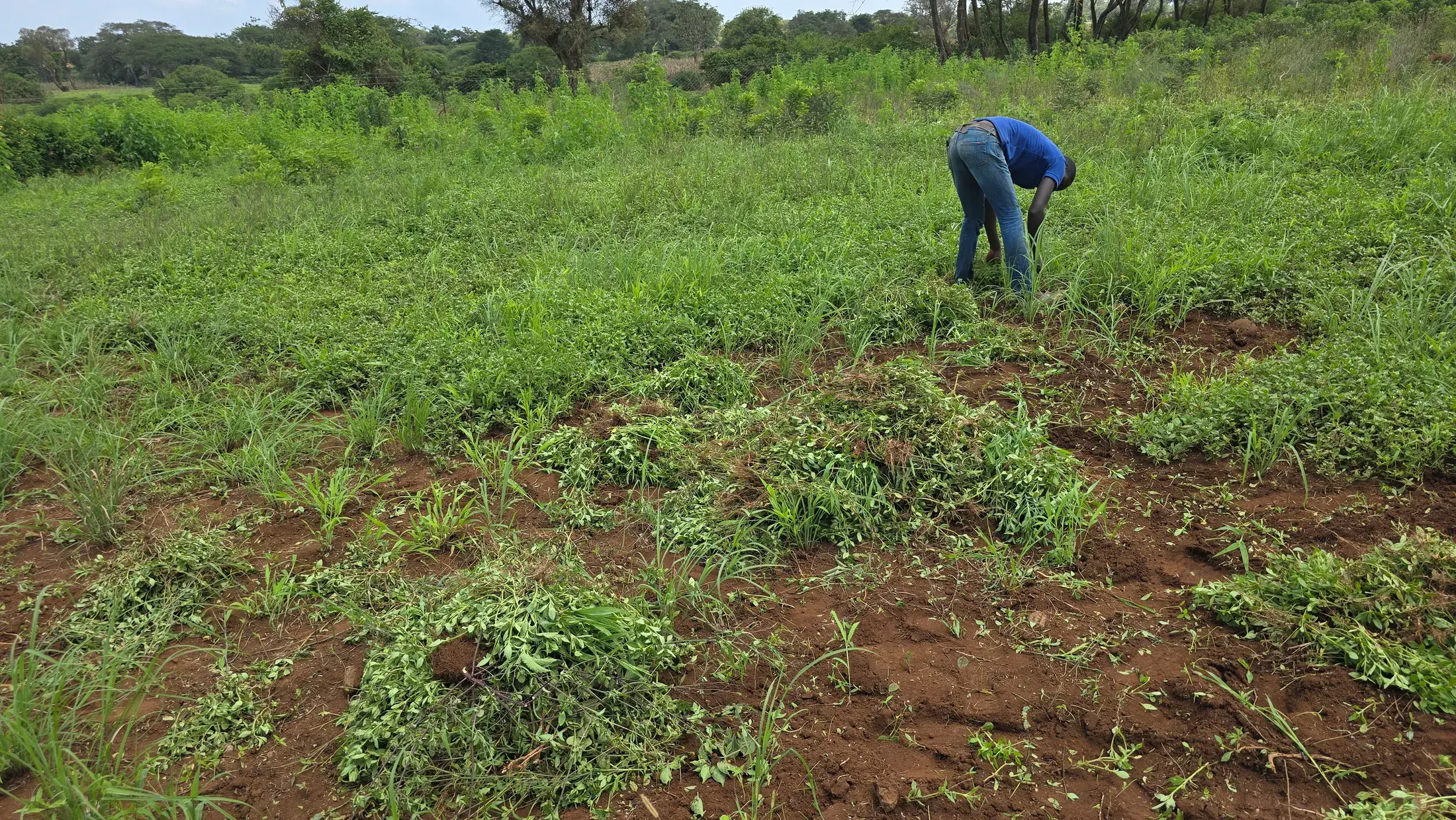
A stand of Boma Rhodes grass being hand weeded on red soil

Boma Rhodes

Grown for hay. Cut at early flowering it bales clean and sweet. Cut it late and the protein drops away.

About our hay
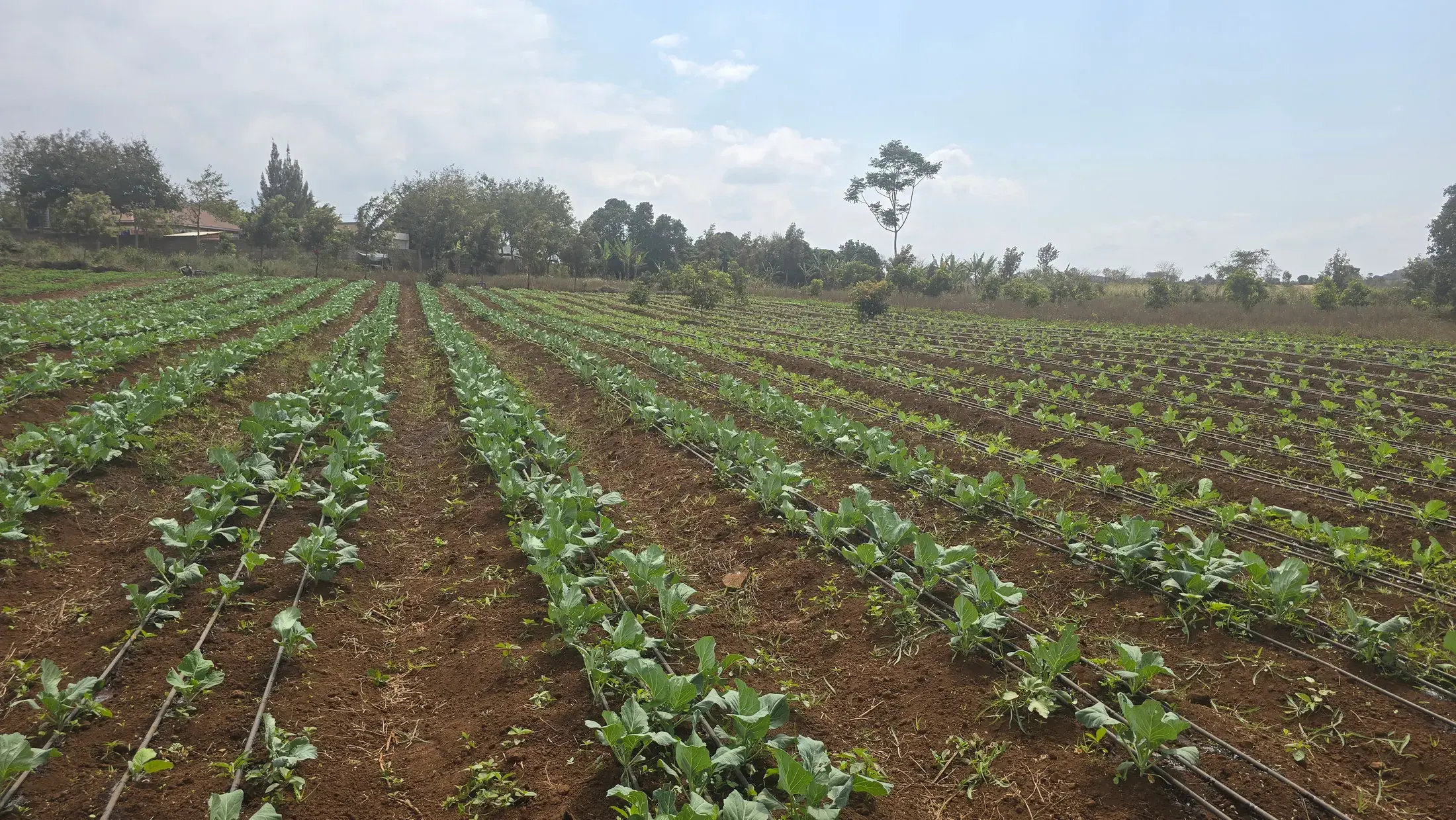
Long drip irrigated rows of young sukuma wiki growing on red soil

Sukuma wiki

Rows of kale under drip, cut and cut again. Fast to market, and it teaches spacing and watering better than any lesson.

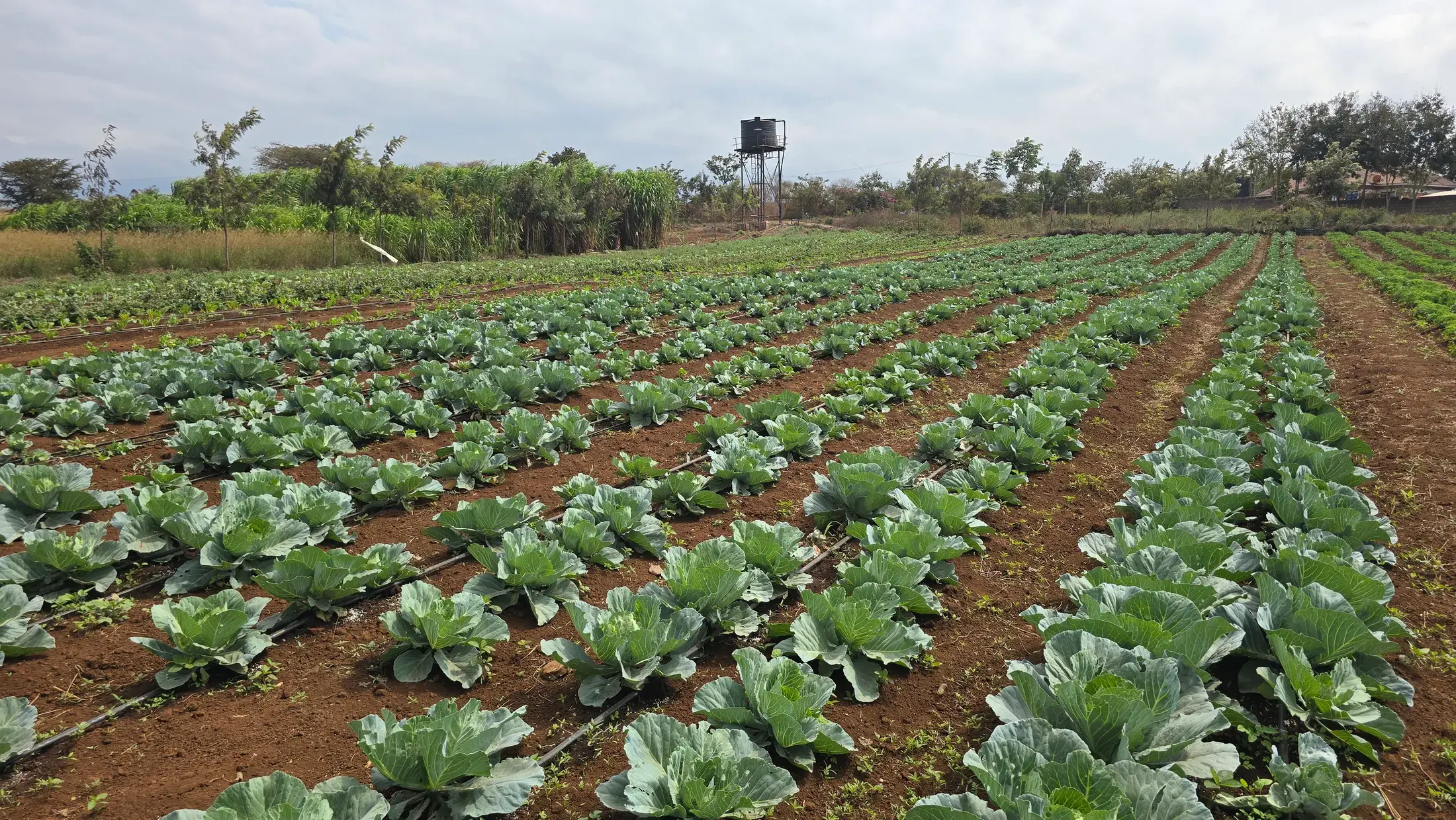
Rows of mature cabbages heading up in a drip irrigated field

Cabbages

A patient crop that rewards discipline. Get the nursery, spacing and water right and the heads come in heavy and even.

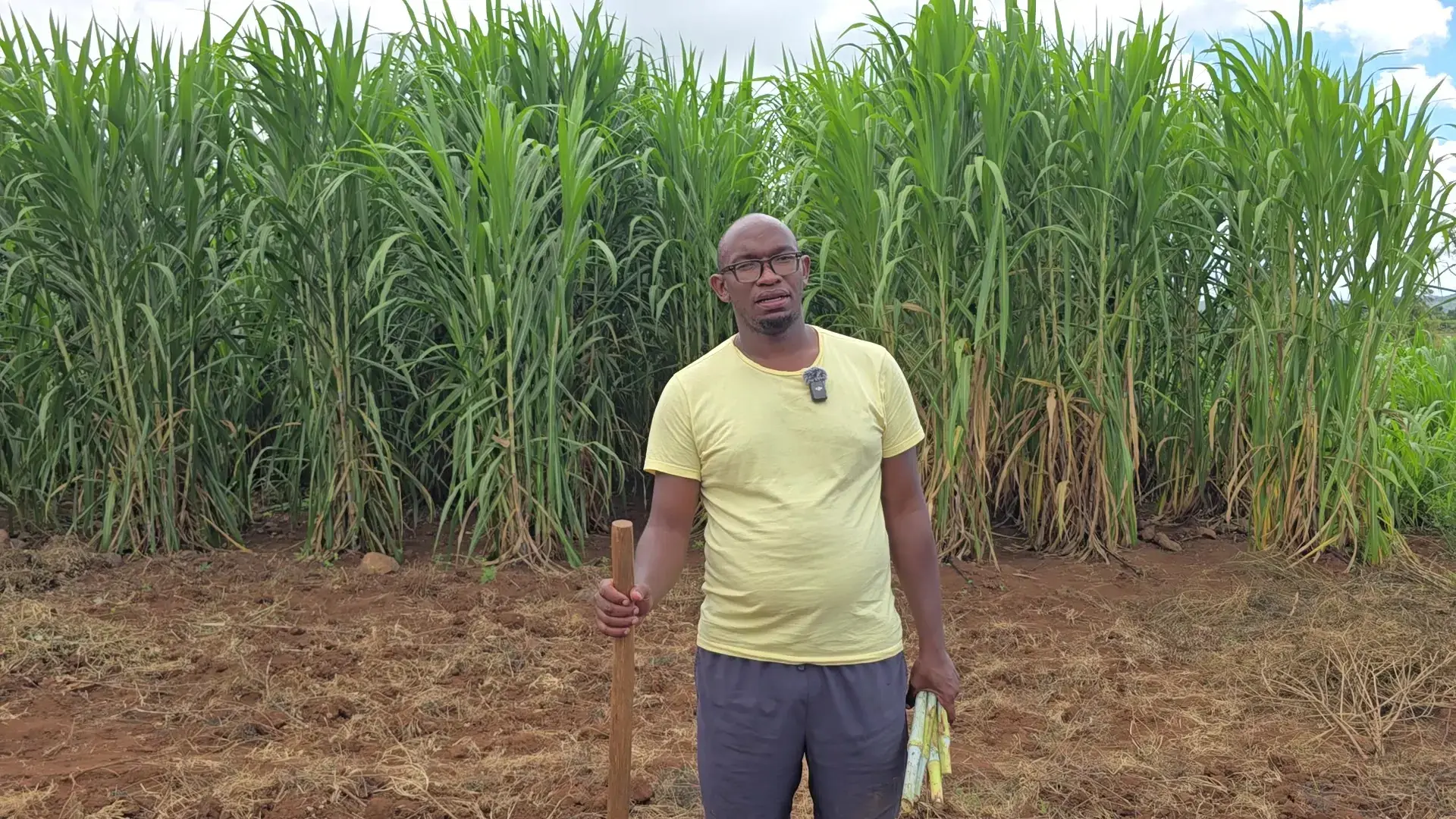
Siloma Stephen standing in front of a wall of mature Juncao fodder grass, the canes towering above his head

Our flagship

Juncao fodder nodes, delivered countrywide

Juncao reaches up to twenty feet, carries 14 to 18% protein, and is planted once and cut for years. It does not carry the diseases that have crippled napier.

  • KES 20 a cutting, KES 17 from 1,000 up
  • 2,200 cuttings to the acre
  • Cut the morning it travels
  • Delivered anywhere in Kenya

The backbone

The women of Moran Farms earn a real wage

In this part of Kajiado, women hold the household together. The school fees, the food, the medicine. They also carry an enormous share of the farm work, and too often they are paid last and paid least.

It is not a favour. It is the most reliable investment we make, because money that reaches a mother reaches a whole household.

We refuse to run a farm that way. Same work, same rate, paid on the day.
  • Rate agreed upfront
  • Paid on time
  • Equal for equal work
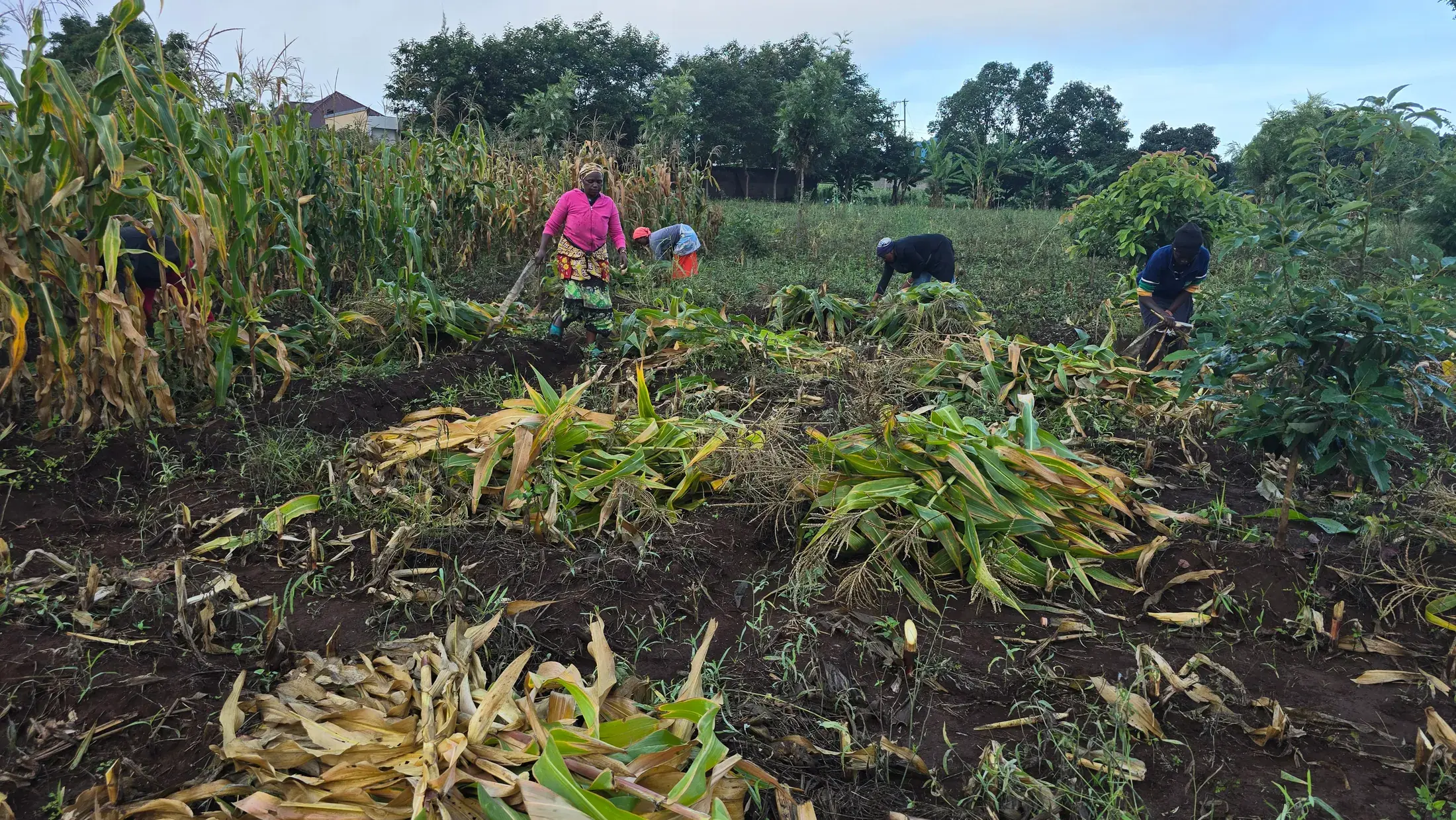
Women harvesting maize at Moran Farms, cutting stalks and stacking them in the field
Siloma Stephen holding the ETA Awards star trophy at the 2026 ceremony
ETA Awards 2026

Winners, Agriculture and Food Safety

The ETA Awards recognise Kenyan enterprises whose work holds up when somebody looks closely. The Agriculture and Food Safety category is not a prize for the best idea. It goes to people producing food and feed, safely, at a scale that can be checked.

We put forward a working farm. Six crops in the ground, a fodder enterprise supplying planting material to farmers in other counties, silage work for neighbouring farms, and a wage bill paid on time to a team in which women earn the same rate as everyone else.

And the part we care about most: young people learning the trade on real soil, on a farm that has to make the numbers work.

Partner with us
Where a partner changes what is possible

The farm funds itself from what it sells. Partnership is what lets us take on what a commercial farm cannot pay for: training cohorts, equipment, and reaching young people who cannot afford to lose a day of income.

Climate smart agriculture

Drip irrigation, cover cropping and deep rooted perennial fodder, taught as standard practice rather than as a special project.

Youth livelihoods

Practical training and paid work for young people who have land but no route into using it, delivered where they already live.

Women and AGYW

Fair wages on the farm today, and a pathway into agribusiness for adolescent girls and young women who are usually counted last.